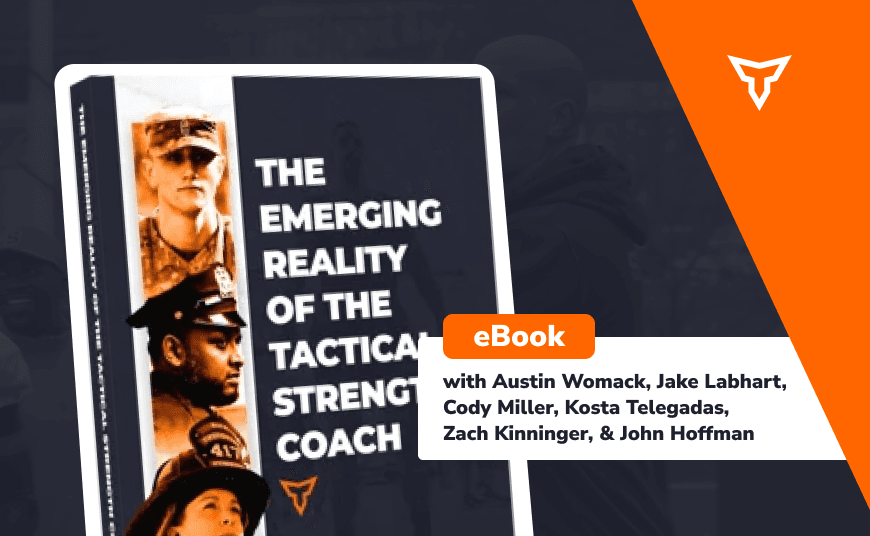
The Emerging Reality of the Tactical Strength Coach
What the tactical strength coach job actually looks like now: the populations, the constraints, and the gap between how these roles are described and how they are staffed and funded.
What you’ll learn
- Understand how tactical roles are really staffed and funded
- Set expectations for a population with no off-season
- Make the case for your role to people outside sport
Yours free
We’ll ask who you are once. After that the free library is open, for good.
Yours free
We’ll ask who you are once. After that the free library is open, for good.
Inside the guide
41 pages
The first 4 pages exactly as they appear in the PDF. Select any page to see it full size.
- +37more pages
From the opening pages
When I first entered the S&C space 10 years ago, collegiate strength and conditioning defined what it meant to be a strength coach. The story started with Boyd Epley and was carried on by t1he likes of Ron McKeefery and his book “CEO Strength Coach.”
Since then I’ve seen the industry provide new opportunities such as becoming a high school strength coach in charge of the health and wellbeing of athletes as well as non-athletes. I have also seen more opportunities in the private sector as general population adults seek to train more like athletes and appreciate the knowledge of a legit, seasoned strength coach as opposed to the “weekend cert” trainer.
THE EMERGING REALITY OF THE TACTICAL STRENGTH COACH
However, the tactical setting is proving to be one of the most exciting “growth sectors” for performance coaches (an apparently modern take on the term “strength coach”). Tactical is being driven by the US Armed Forces, the most well-funded and best trained fighting force in the world. Not far behind is the appetite of our first responders such Police Departments, tactical response teams (SWAT), Firefighters, EMS and more.
The best part of the tactical industry embracing the proven principles of human performance that were primarily founded by the collegiate sector is that I can tell they are taking a comprehensive approach. Yes, our warfighters and operators need to perform when in action. But we also need to consider their mental and emotional health, assist in building strong life habits and ensure they are set up for success when their call of duty has been answered for the last time.
This ebook is a small contribution to the tactical space in order to share the experiences and expertise of those who have made a positive impact on warfighters and operators. They continue to blaze the trail for those who desire to follow. There is no greater call than to support those who serve.
- Hewitt Tomlin, CEO, TeamBuildr
Chapters
- 1- NOTE FROM CEO - HEWITT TOMLINp.3
- 2- INTRODUCTION - RK BARKERp.4
- 3- FIRE SERVICES - AUSTIN WOMACKp.6
- 4- LAW ENFORCEMENT - JAKE LABHARTp.8
- 5- SIMILARITIES & DIFFERENCES - CODY MILLERp.11
- 6- PART Ip.19
- 7- PART IIp.23
- 8- PART Ip.27
- 9- PART IIp.32
- 10- 15 YEARS WORKING IN TACTICAL - JOHN HOFMANp.35
- 11- INNOVATING WITHIN THE TACTICAL SPACE - JAKE LABHARTp.38
- 12- MILLER, HOFMAN, BARKER, LABHARTp.40
- 13- TELEGADAS, KINNINGER, WOMACKp.41
TeamBuildr
Run this with your athletes.
The programming, the tracking and the reporting in one place, built by coaches who write the same sessions you do.
Read next
Also in Leadership & Career
Read on the blog · 15 min
FreeThings I Wish I Knew Before Becoming TSAC: Part 1opens blog.teambuildr.com in a new tab
What nobody tells you before moving into tactical strength and conditioning: the populations, the politics, and the parts of the job the certification does not cover.
More in Tactical Strength
PDF · 21 pages
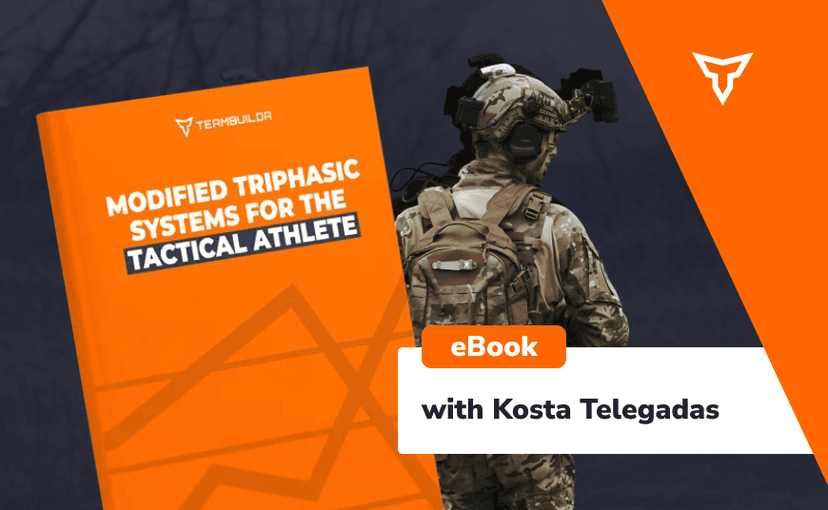
Free · sign upModified Triphasic Systems for the Tactical Athlete
Triphasic training adapted for tactical populations, organised by tenure rather than sport season. Four progressions from day-one novice to advanced, plus how to undulate the work around an unpredictable schedule.
For Tactical
1 chapter · 1 lesson
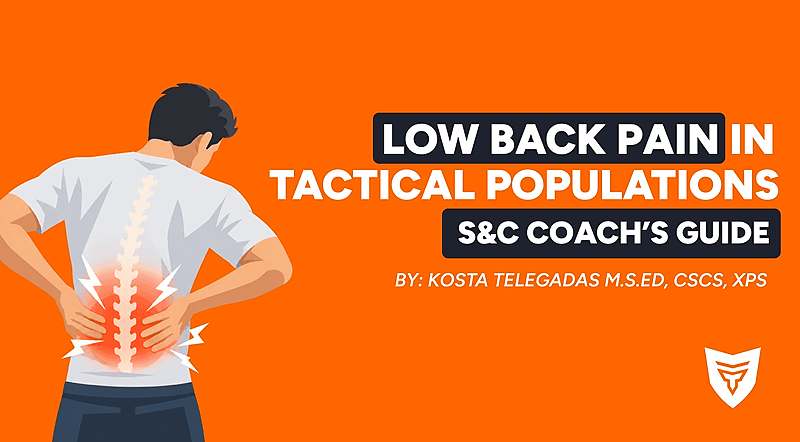
Free · sign upLow Back Pain in Tactical Populations: An S&C Coach’s Guide
6 chapters · 12 lessons
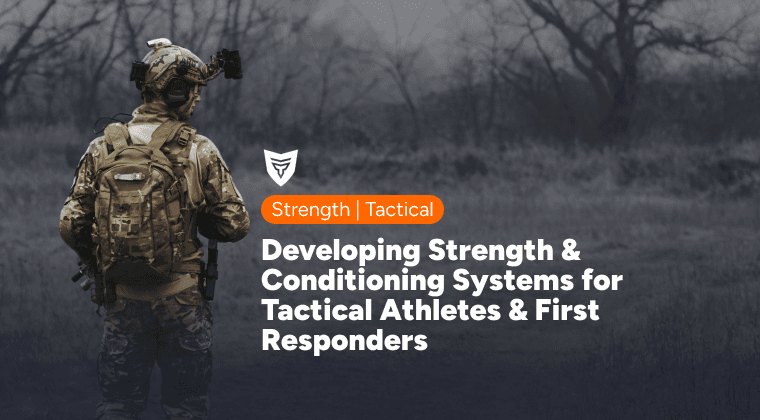
$80.00Developing Strength & Conditioning Systems for Tactical Athletes & First Responders
Moving from the sport side to tactical work. Six parts on reading the environment, translating what you already know, and programming for people whose schedule and workload you do not control.
Video · 132 min
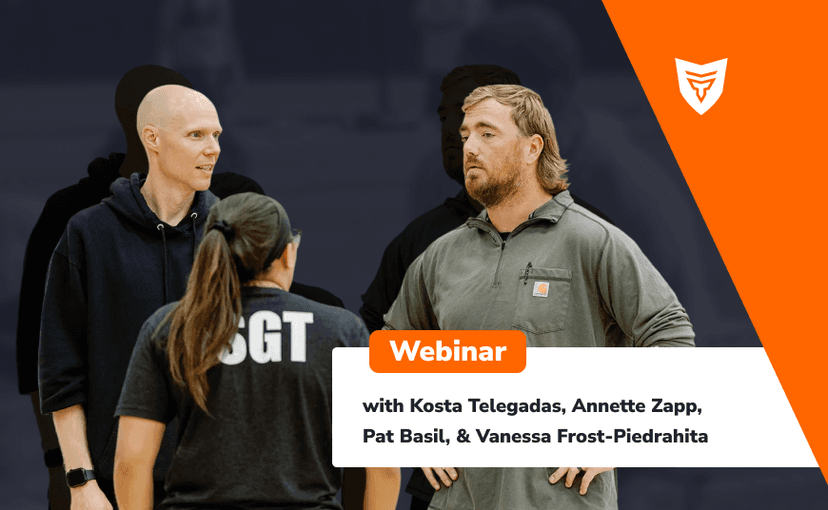
Free · sign upHow Coaches Shift from Athletics to Operational Performance
Making the move from collegiate or pro athletics into tactical and operational performance. What transfers, what does not, how hiring works, and what the day-to-day is really like.
PDF · 37 min
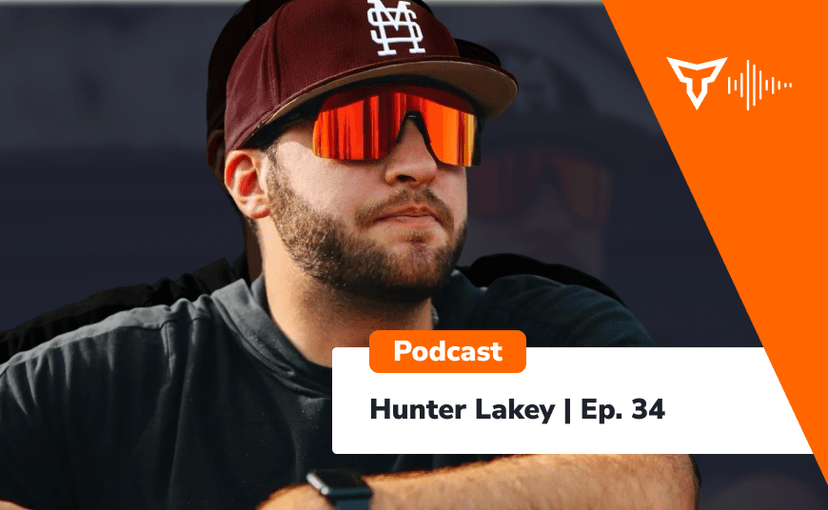
FreeEpisode #34: Using Strength & Conditioning Internships to Boost Your Career Path With Hunter Lakey
Hunter Lakey interned at Elon for all four years of college, then at TCU and Texas A&M, before Mississippi State hired him. Carrying a notebook to copy other coaches' cues, the risk of becoming a copy of your mentor, and the social post that led to his job.
- Format
- Length
- 41 pages
- Sections
- 13
- Category
- Tactical Strength
- Topics
- Leadership & Career