Setting Up a New TeamBuildr Account
The first four things to do in a brand-new account, in the order that actually works: build your calendar structure, get athletes in, learn the Build screen, then add exercises to a day. Start here if you have just been given a login and nothing is set up yet.
What you’ll learn
- Build parent and sub-calendars, and understand the trickle-down effect: a workout written on Baseball reaches Pitchers and Position Players, and you edit from there
- Name calendars so they survive the year; a calendar is ongoing, and 'Baseball 2020' is the mistake most new accounts make
- Add athletes three ways: one at a time, by spreadsheet, or with an EasyJoin code you send to a squad
- Prescribe sets and reps, including different reps per set, plus percentages, rest and tempo
- Work the Build screen: supersets by drag-and-drop, copying a day or a whole session break, and the day, week and month views
Step-by-step setup
4 short walkthroughs covering the whole configuration.
4 steps
Okay, so now we're going to talk about calendars and calendar structure. We consider this one of the most foundational features in Team Builder in order to have a successful account. So calendars can be found in Coach Tools, two down to Manage Calendars. And a calendar is basically the way that we get training programs to athletes. We build our training programs on calendars. We assign athletes to those calendars, and that's how we match training programs and athletes. So here you can see I have quite a few calendars, and we're going to use this top cluster here as our example.
As you can see, I have this calendar called Baseball. We refer to this as a parent calendar. It's a parent because it has two sub-calendars underneath it. So one thing that's important to know about this calendar structure is what we call the trickle-down effect. And that means that if I write a training program on the baseball calendar, it will trickle down to anything underneath it, including pitchers and position players. So for example, if I wrote back squat for baseball, everyone would be assigned back squat. And if I went to the pitcher's calendar, that would give me the opportunity to modify or add to or subtract from that workout. So for instance, if my pitchers need to do some shoulder mobility strengthening exercise in between back.
Squat sets, I would add that to the pitcher's calendar. Only the pitchers would get that modification. The position players would not. The third tier, which is not visible here, is the individual athlete tier. You don't actually have to create that calendar. It's created automatically. For example, if I add John Doe as an athlete and I assign him to pitchers, then my three-tier system would look baseball, then pitchers, then John Doe. If I needed to make modifications to John Doe's calendar, I can go to his individual calendar and do that. And that would be the final version of the workout that makes its way to John Doe. Okay. So on this page as well, we have the ability to archive calendars. So if you work with a team for a year and you write programs and then you no longer work.
With them, you can delete the calendar or you can choose to archive the calendar. That's an option as well. Another thing you can do is you can filter by active or archive calendars, and then you can also choose to collapse all calendars. And that will mean that we will collapse all the sub calendars underneath. So if you're a large organization and you have a lot of calendars, collapsing and expanding will help you navigate this page a little bit quicker. So another thing about creating calendars is to think about how you name them. Sometimes I see coaches make the mistake of creating a calendar baseball and naming it baseball 2020. The thing about a calendar is that it's ongoing. It never really stops. You program 2020 workouts on the baseball calendar, but as soon as we transition to.
Another year, it's still the same calendar. You don't have to create another calendar. So try not to assign time-based names to calendars, baseball fall, baseball 2020. This just represents an ongoing program for a particular baseball team. And that's a good way to think about building calendars.
Still stuck? Contact support →
Read next
Also in Platform & Admin

Walkthrough
FreeUltimate Guide to Copying in Build
Every way to copy in Build: a day to another date or calendar, a day repeated across a date range, a whole week, or a few selected exercises, plus the Cmd/Ctrl+C shortcut. Four minutes.
Walkthrough
FreeHow to Prevent Workout Scrambling
There are two main reasons workouts can become scrambled/jumbled - where exercises appear out of order. The first reason is explained and solved in the first video. It results when workouts are loaded on top of one an…
Walkthrough
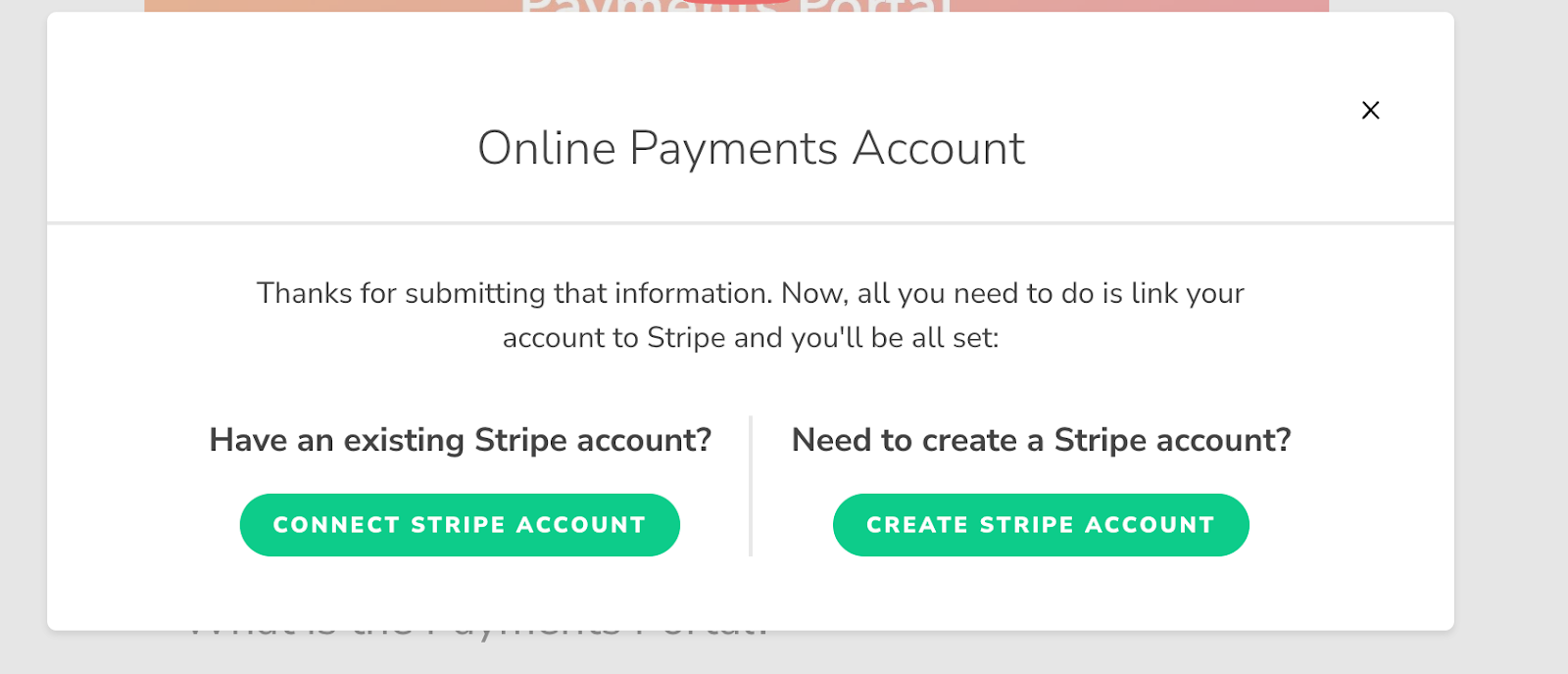
FreeConnecting Your TeamBuildr to Stripe
This guide will outline how to connect or create your Stripe account with your TeamBuildr account. Log into TeamBuildr. Click on the Payments Tab at the top of your screen. Select "Create Reseller Account". When conne…

Read on the blog · 9 min
FreeBuilding a D1 Strength Program From Zero: 3 Lessons From a First-Year Coachopens blog.teambuildr.com in a new tab
What does it take to strength coach a brand-new Division I rowing program fresh out of grad school? From culture-building to scrapping your plan on day one, here are three lessons that the first year taught me.
14 chapters · 53 lessons
Free · sign upTeamBuildr PowerUser Certification
Learn the ins and outs of TeamBuildr to get the most out of your account.
Spreadsheet · 2 walkthroughs
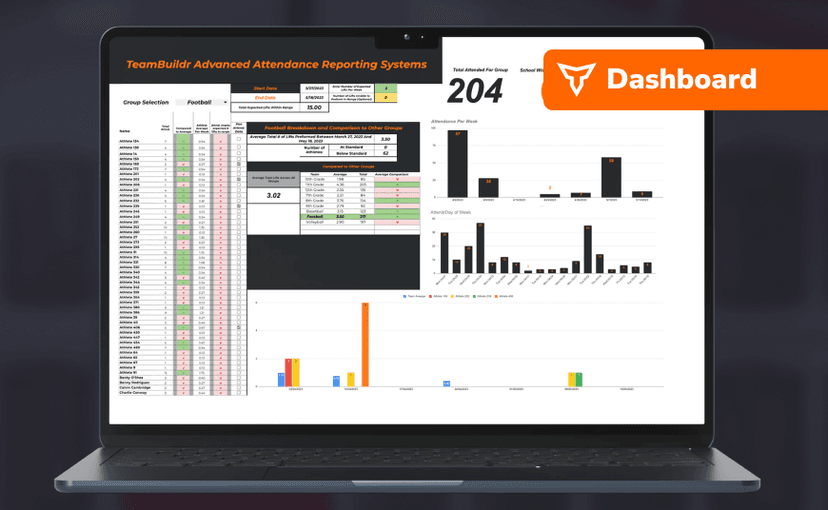
Free · sign upAdvanced Attendance Report
Attendance tracking for PE and weights classes that goes past a headcount. Copy the template and it totals participation per student over any window, ready to drop into a grade or a report to an administrator.
- Format
- Walkthrough
- Brand

- Category
- Getting Started - For Coaches
- Topics
- Platform & Admin